September 2026 blog
9select-right click-open in new window0
Kings Fund: the NHS Modernisation Bill 2026
NHS Modernisation Bill Google search
Which practices hardest hit by Cleansing
HoC Library NHS Modernisation Act
The Lowdown: The NHS Modernisation Act
Dr Steve Taylor: NHS Modernisation Act
The Lowdown:NHS workforce plan is chaos
With an alarming proliferation of ‘corridor care’ and
long delays in treating emergencies, a waiting list above 7 million, disastrous
delays in mental health care – even for children — and patients
demanding swifter access to primary care, we now have the phenomenon of unemployment
amongst resident doctors and fully qualified GPs.
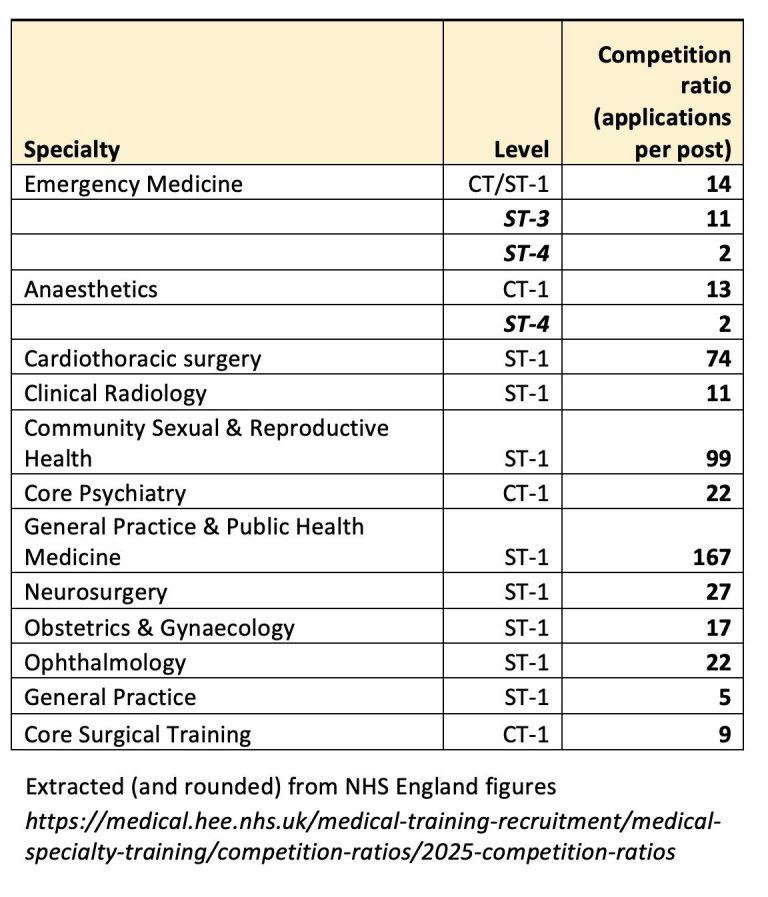
Thousands of doctors are also blocked from becoming
consultants by the inadequate number of specialist training posts.
Similar problems also affect other professional staff: even with maternity units crying out for staff, newly-qualified midwives are struggling to find posts offering a period of “preceptorship” – a period of supervision and support to equip them to develop the confidence and experience to act independently when required in delivery suites and in the community.
It seems our short-staffed, cash-strapped NHS has, in many areas, reached the point of having too few staff in post to allow it to recruit (and, where necessary, complete the training of) the extra professional staff it needs.
The current system does not effectively match the number of graduating medical or midwifery students with the number of training or preceptorship posts.
More planning is being put in place (e.g., workforce modelling, new posts being commissioned), but the evidence suggests those systems are insufficient or under-resourced compared to the scale of growth and demand.
The result is frustration and anger over wasted time and energy, as graduates who have already invested years in learning vital skills and knowledge hit a brick wall and cannot progress.
Consultant vacancies
There are still gaps at the top of the medical profession: a new report by BMJ Careers has found that some NHS organisations have as many as one in three consultant posts vacant, and these vacancies are expensive. In England, Scotland and Wales, NHS bodies spent £674m on locum consultants in 2024/25.
The Royal College of Physicians’ (RCP) latest Focus on Physicians Survey tells a similar story: it found 59% of consultants reported vacancies at their own grade, with 83% concerned that rota gaps are having a negative impact on patient care. Moreover the consequences have a political and financial cost: the most common consequences of consultant-level rota gaps were said to be reduced access to out-of-hours inpatient care (39%) and longer hospital stays (28%).
The Royal College of Anaesthetists (RCoA) reports 89% of clinical leaders who manage anaesthetic departments across the UK say that elective surgery is being delayed because of a shortage of anaesthetists, with 43% saying this happens on a daily or weekly basis.
Over two thirds (68%) of clinical leaders say that increasing the number of anaesthetists would do more than any other measure to reduce waiting lists – ahead of factors such as ward space (50%) or operating theatres (42%).
The report also shows that while there are more anaesthetists now than in 2020, greater demand and long waiting lists mean the shortfall has increased from 1,483 in 2020 to 2,147 in 2025 (15% below what is needed).
The impact of some other specialist consultant shortages is also severe. Almost nine in ten (86%) of small cancer centres – and almost two thirds of all cancer centres – had consultant vacancies unfilled for 12 months or more, while almost a quarter (23%) had reported vacancy freezes in 2024. Seven in ten (70%) of cancer centre leaders were concerned by the effects of increased workload and staff shortages on patient safety.
One resident doctor at a north London trust told the researchers of the impact of consultant shortages:
“It’s a complete nightmare – the doctors who are left working have to work at 150%, patients have to wait longer to be seen, and by the end of the shift doctors are running on fumes.”
Dr Steve Taylor exposes the total belief in AI, but moving healthcare out of hospitals into primary care has not complled DH to factor in morte GPs (or paying for those already qualified to work.